


You save ₹26
Inclusive of all taxes

Tell us how many you need and we'll send you our best price on WhatsApp.
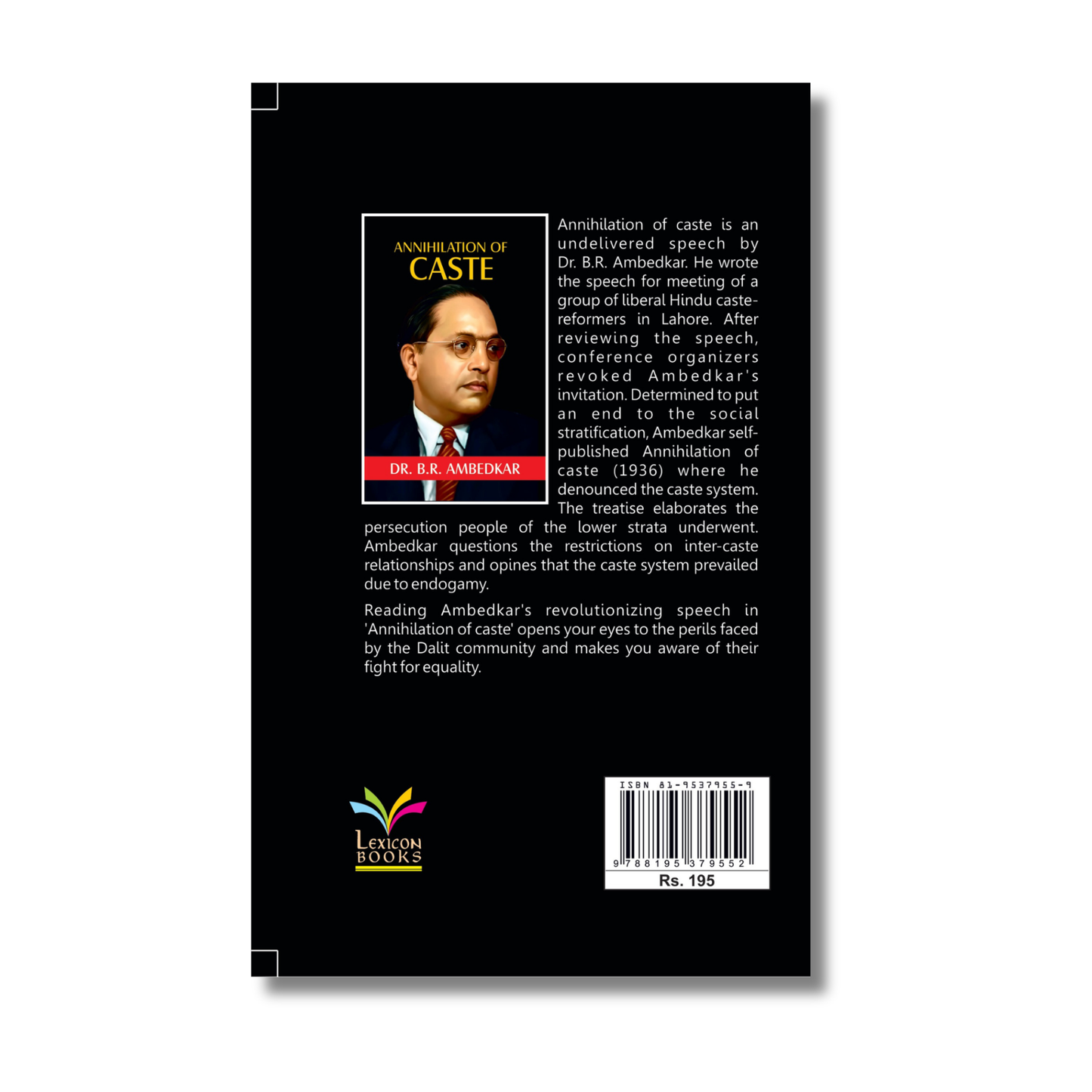
 Annihilation of Caste
Opens WhatsApp with your details pre-filled. We reply with the best price.

Frequently bought together
Total:
"Annihilation of Caste" is a groundbreaking work of political and social criticism written by the Indian intellectual and social reformer, Dr. B.R. Ambedkar. The book is a powerful critique of the caste system in India and its oppressive effects on the country's marginalized communities.
Ambedkar was himself born into a lower-caste family and faced discrimination and prejudice throughout his life. In "Annihilation of Caste", he argues that the caste system is not just a social hierarchy, but a system of oppression that denies millions of people their basic human rights.
The book is divided into two parts. The first part is Ambedkar's original speech on the subject, which he was prevented from delivering at a public event due to opposition from upper-caste leaders. The second part is a detailed response to criticisms of the speech, in which Ambedkar further develops his arguments and responds to his critics.
"Annihilation of Caste" is a powerful and provocative book that challenges readers to rethink their assumptions about social hierarchy and justice. Ambedkar's writing is clear and incisive, and his arguments are supported by a wealth of historical and philosophical insights.
The book remains a landmark work of Indian political and social thought, and its relevance and importance continue to be felt today. Whether you're interested in Indian history, social justice, or political philosophy, "Annihilation of Caste" is a must-read book that will challenge and inspire you.

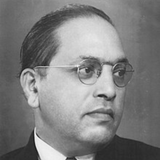
Bhimrao Ramji Ambedkar (Bhīmrāo Rāmjī Āmbēḍkar; 14 April 1891 – 6 December 1956) was an Indian jurist, economist, social reformer and political leader who chaired the committee that drafted the Constitution of India based on the debates of the Constituent Assembly of India and the first draft of Sir Benegal Narsing Rau. Ambedkar served as...
More by this author · 1 in store
