Skip to product information
1 of 1
Books-Science Fiction

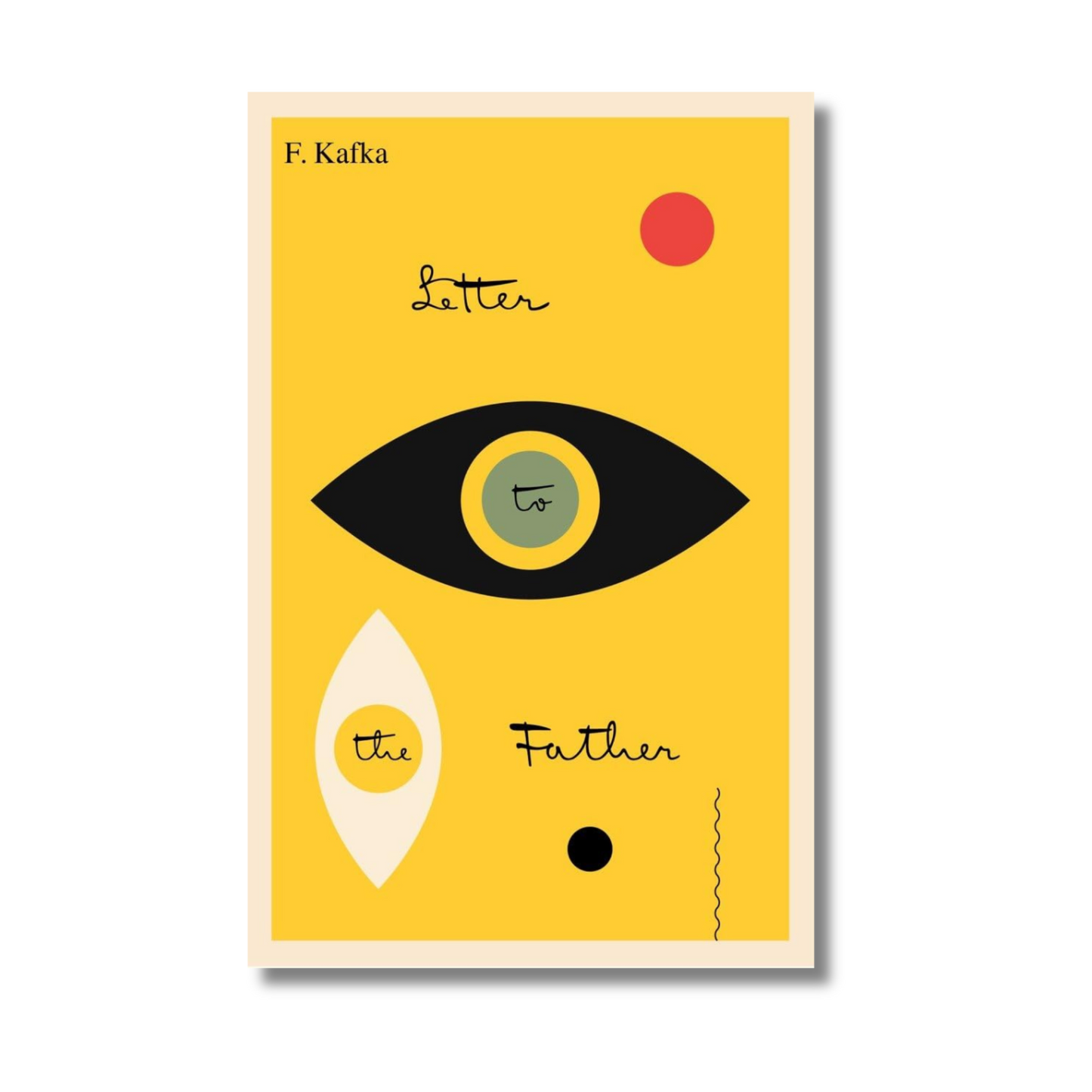
Letter to the Father

₹199 ₹1199 83% off

You save ₹1000

Inclusive of all taxes

18 people viewing now
Shop with peace of mind
Make it special+₹ 49.00
Qty
Added to cart successfully.
Offers
Share
WhatsApp
Link copied.
View full details
Franz Kafka wrote this letter to his father, Hermann Kafka, in November 1919. Max Brod, Kafka’s literary executor, relates that Kafka actually gave the letter to his mother to hand to his father, hoping it might renew a relationship that had lost itself in tension and frustration on both sides. But Kafka’s probing of the deep flaw in their relationship spared neither his father nor himself. He could not help seeing the failure of communication between father and son as another moment in the larger existential predicament depicted in so much of his work. Probably realizing the futility of her son’s gesture, Julie Kafka did not deliver the letter but instead returned it to its author.
Product Highlights
Full specifications at a glance
Publisher ‏
‎ Schocken
Language ‏
‎ English
Paperback ‏
‎ 144 pages (may vary)
ISBN-10 ‏
‎ 0805212663
ISBN-13 ‏
‎ 978-0805212662
Franz Kafka

Franz Kafka

Franz Kafka was born in 1883 in Prague, where he lived most of his life. During his lifetime, he published only a few short stories, including “The Metamorphosis,” “The Judgment,” and “The Stoker.” He died in 1924, before completing any of his full-length novels. At the end of his life, Kafka asked his lifelong friend and literary executor Max Brod to burn all his unpublished work. Brod overrode those wishes. ------- Franz Kafka (Praga, Imperio austrohúngaro, 3 de julio de 1883 - Kierling, Austria, 3 de junio de 1924) fue un escritor de origen judío nacido en Bohemia que escribió en alemán. Su obra está considerada una de las más influyentes de la literatura universal y está llena de temas y arquetipos sobre la alienación, la brutalidad física y psicológica, los conflictos entre padres e hijos, personajes en aventuras terroríficas, laberintos de burocracia, y transformaciones místicas. Fue autor de tres novelas, El proceso (Der Prozeß), El castillo (Das Schloß) y El desaparecido (Amerika o Der Verschollene), la novela corta La metamorfosis (Die Verwandlung) y un gran número de relatos cortos. Además, dejó una abundante correspondencia y escritos autobiográficos. Su peculiar estilo literario ha sido comúnmente asociado con la filosofía artística del existencialismo --al que influenció-- y el expresionismo. Estudiosos de Kafka discuten sobre cómo interpretar al autor, algunos hablan de la posible influencia de alguna ideología política antiburocrática, de una religiosidad mística o de una reivindicación de su minoría etnocultural, mientras otros se fijan en el contenido psicológico de sus obras. Sus relaciones personales también tuvieron gran impacto en su escritura, particularmente su padre (Carta al padre), su prometida Felice Bauer (Cartas a Felice) y su hermana (Cartas a Ottla). El término kafkiano se usa en el idioma español para describir situaciones surrealistas como las que se encuentran en sus libros y tiene sus equivalentes en otros idiomas. Solo unas pocas de sus obras fueron publicadas durante su vida. La mayor parte, incluyendo trabajos incompletos, fueron publicados por su amigo Max Brod, quien ignoró los deseos del autor de que los manuscritos fueran destruidos.
About the author Franz Kafka
The Prague writer who gave the world the word 'Kafkaesque'

Franz Kafka was born in 1883 in Prague, where he lived most of his life. During his lifetime, he published only a few short stories, including “The Metamorphosis,” “The Judgment,” and “The Stoker.” He died in 1924, before completing any of his full-length novels. At the end of his life, Kafka asked his lifelong friend...

More by this author · 5 in store