


Inclusive of all taxes

Tell us how many you need and we'll send you our best price on WhatsApp.
 The Plague
Opens WhatsApp with your details pre-filled. We reply with the best price.

Frequently bought together
Total:
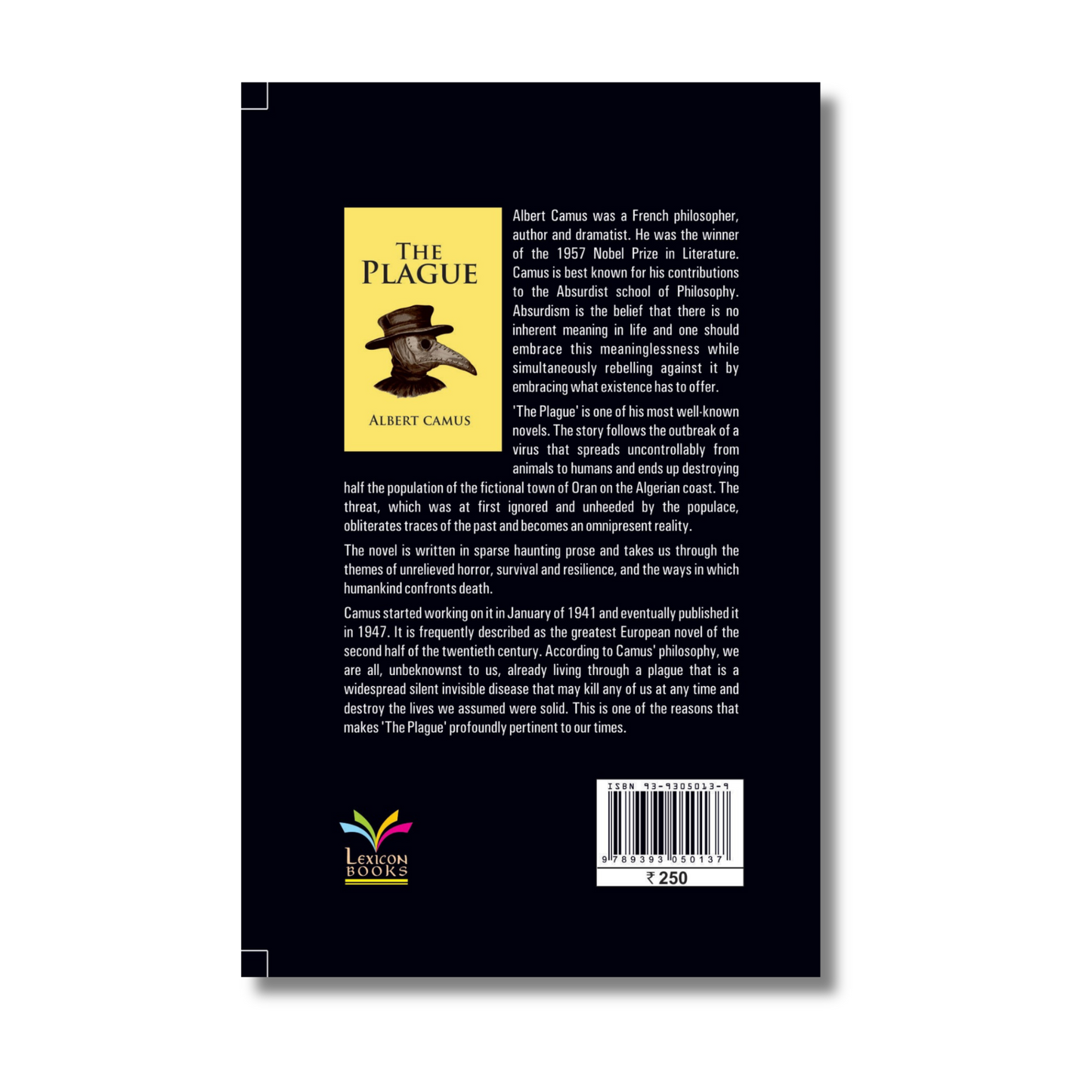
The Plague by Albert Camus is an extraordinary odyssey into the darkness and absurdity of human existence. 'On the morning of April 16, Dr Rieux emerged from his consulting-room and came across a dead rat in the middle of the landing.' It starts with the rats. Vomiting blood, they die in their hundreds, then in their thousands. When the rats are all gone, the citizens begin to fall sick. Like the rats, they too die in ever greater numbers. The authorities quarantine the town. Cut off, the terrified townspeople must face this horror alone. Some resign themselves to death or the whims of fate. Others seek someone to blame or dream of revenge. One is determined to escape. But a few, like stoic Dr Rieux, stand together to fight the terror. A monstrous evil has entered their lives but they will never surrender to it. They will resist the plague. 'A matchless fable of fear, courage and cowardice' Independent Albert Camus was born in Algeria in 1913. He studied philosophy in Algiers and then worked in Paris as a journalist. He was one of the intellectual leaders of the Resistance movement and, after the War, established his international reputation as a writer. His books include The Plague, The Just and The Fall, and he won the Nobel Prize for Literature in 1957. Camus was killed in a road accident in 1960.

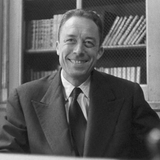
Albert Camus (French: [albɛʁ kamy]; 7 November 1913 - 4 January 1960) was a French philosopher, author, and journalist. His views contributed to the rise of the philosophy known as absurdism. He wrote in his essay The Rebel that his whole life was devoted to opposing the philosophy of nihilism while still delving deeply into...
More by this author · 4 in store


